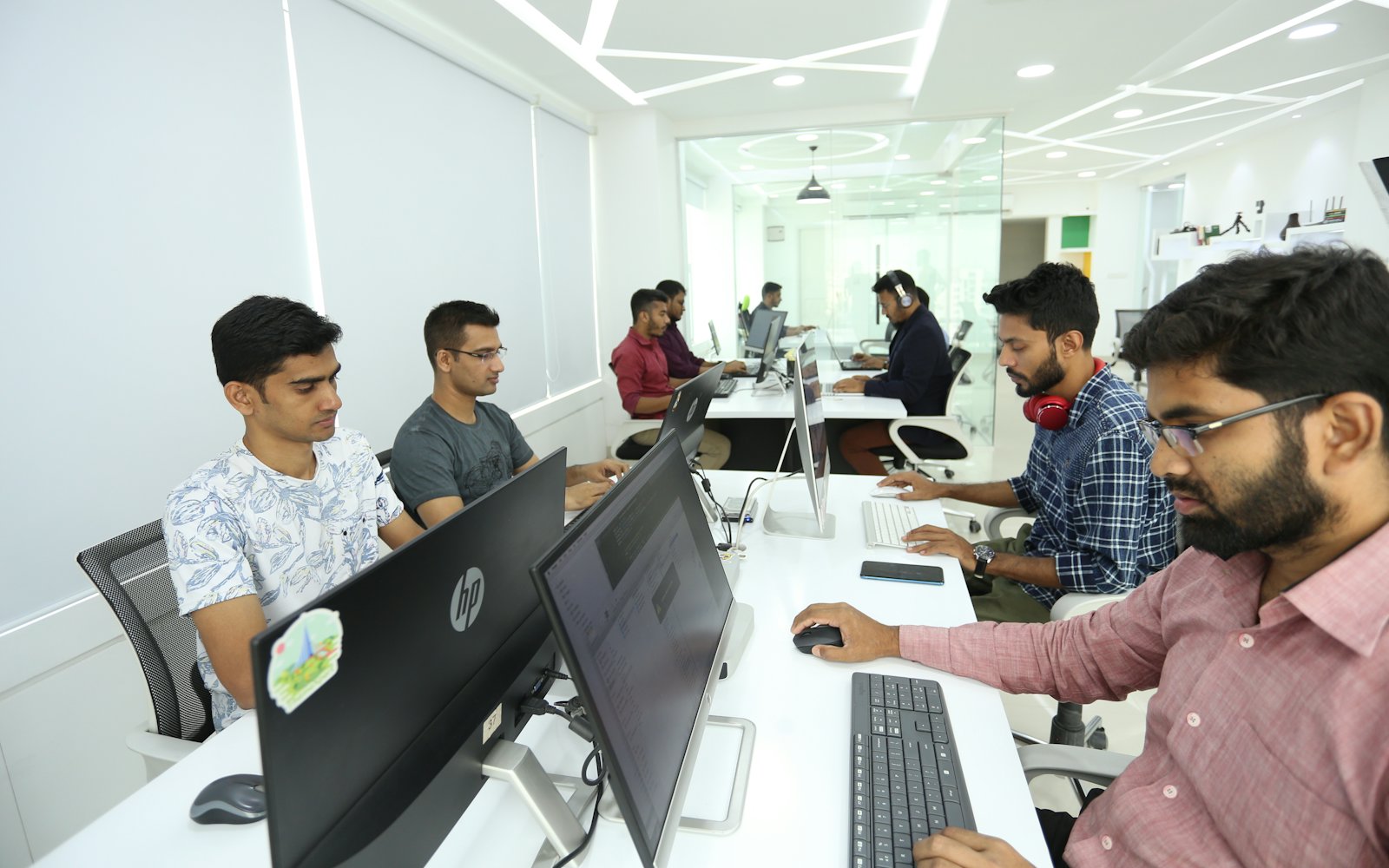
The Voice of Bangladesh's Textile Industry
Independent reporting, research and digital tools that make Bangladesh's textile industry easier to understand, easier to access, and more competitive on the world stage.
Who we are
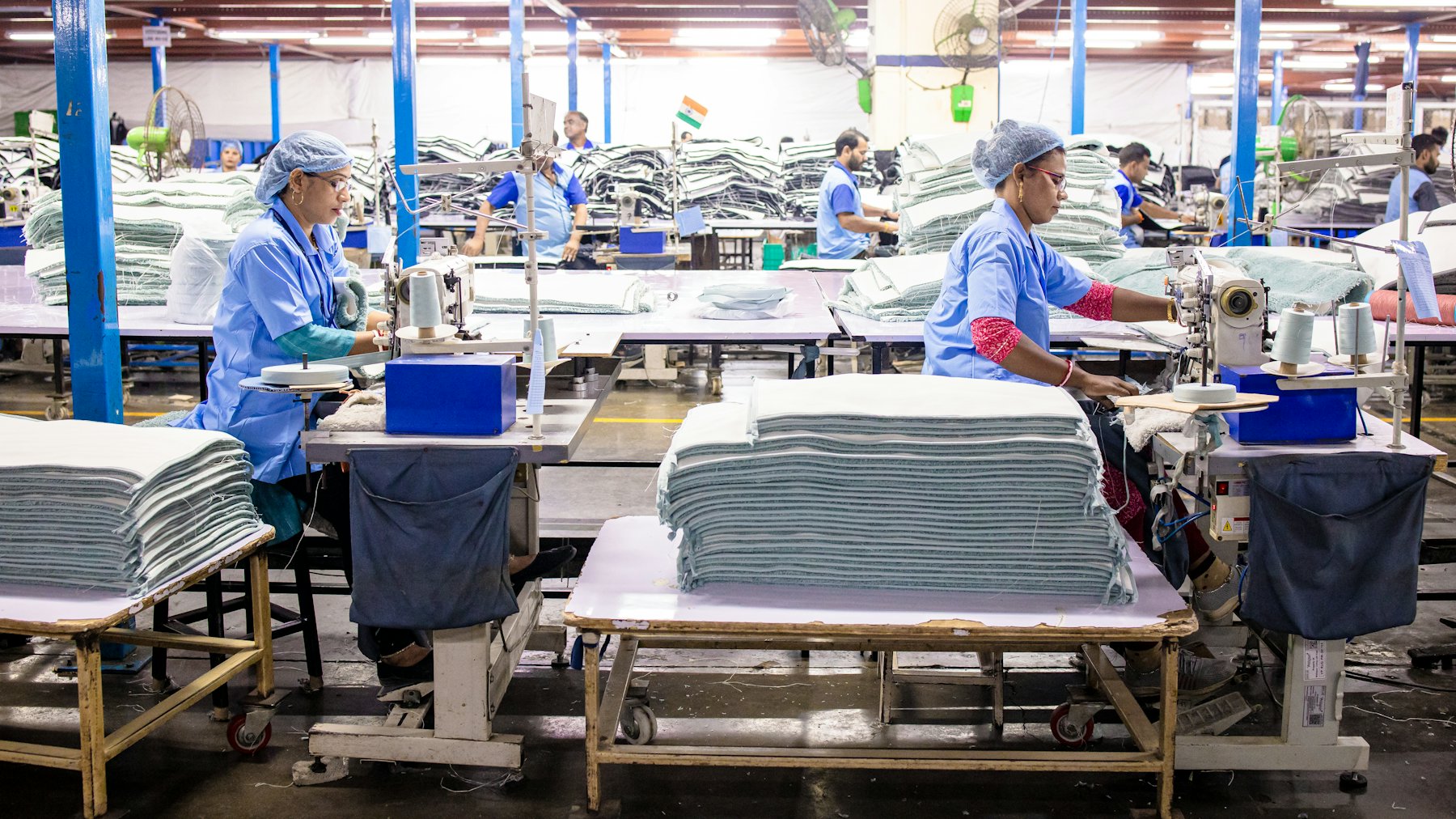
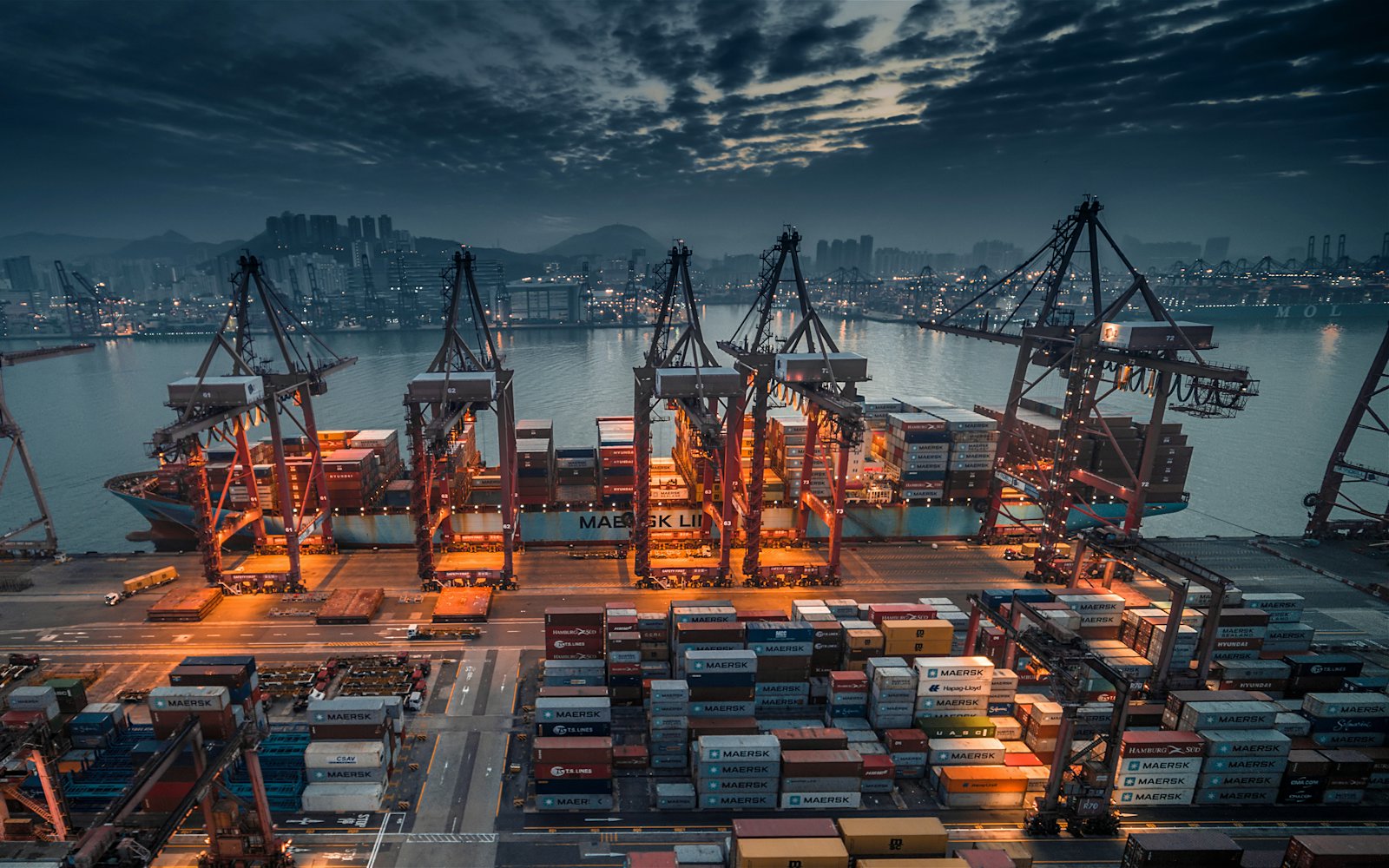
Bangladesh is the world's second-largest garment exporter, and textiles make up more than 80% of everything the country sells abroad. Yet the industry's day-to-day reality, its challenges, its opportunities, its people, is poorly explained to the people who need to understand it most: the students who will run it tomorrow, and the small and medium factory owners who make up most of it today.
Fabric Voice exists to close that gap. We explain the industry in plain language, we research its real problems, and we are building the digital tools that will help Bangladeshi textile businesses become more visible, more trusted, and more connected to buyers around the world.
What we do
Three connected areas of work, and each one feeds the next.
Media
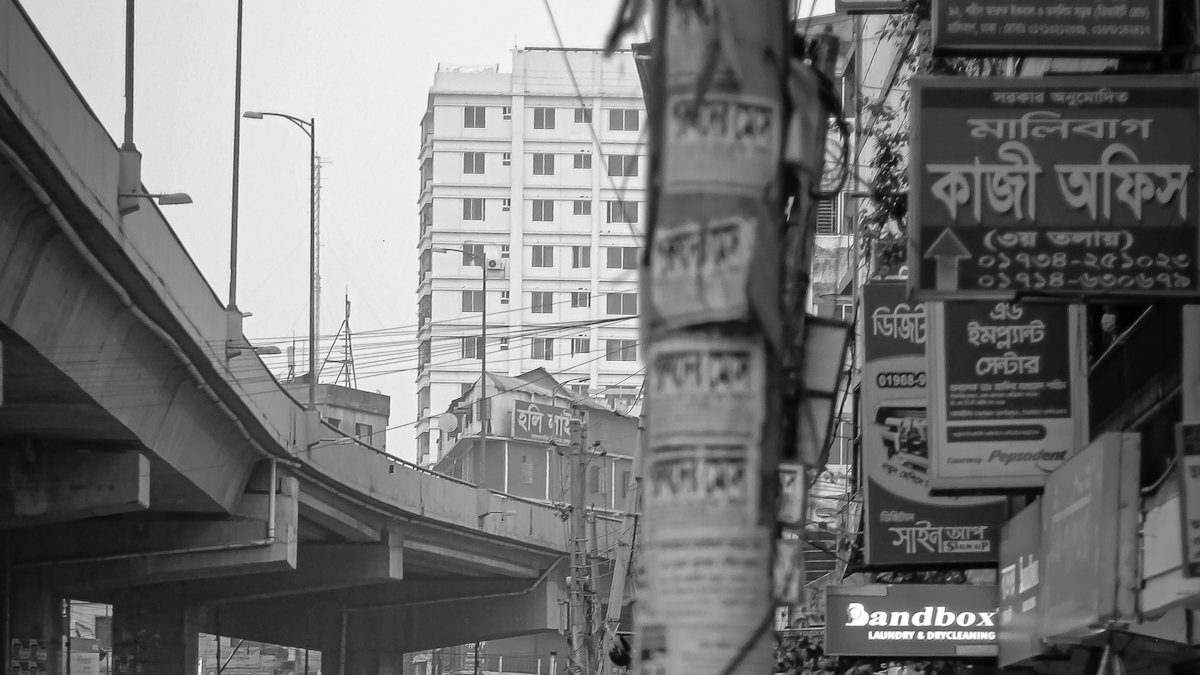
Daily reporting and explainers on export figures, trade policy and global market shifts, published on Facebook.
Learn more about Media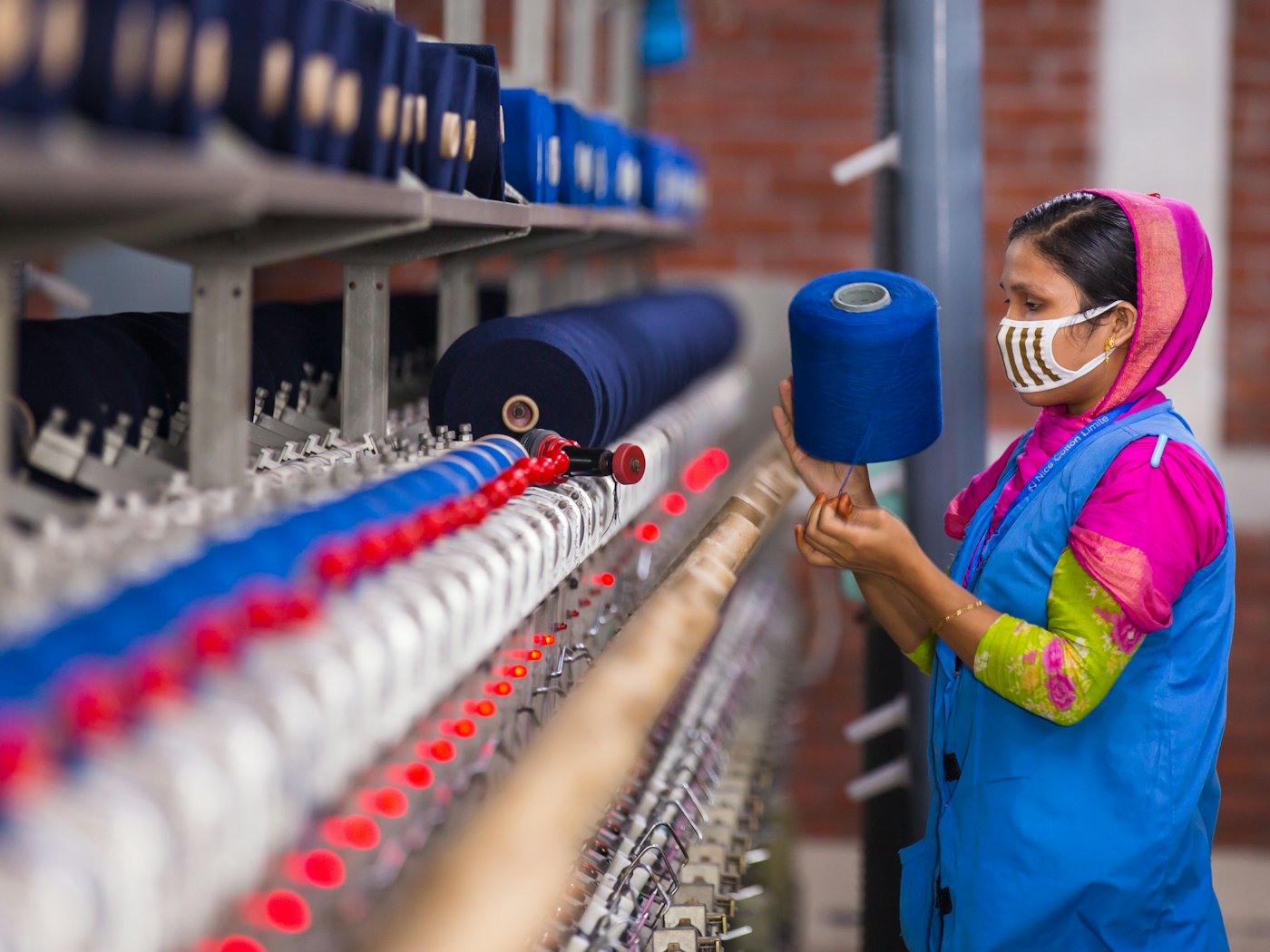
Research
Interviews and fact-checked reports that turn the industry's real problems into evidence, gathered from factory owners, merchandisers, workers and students.
Learn more about Research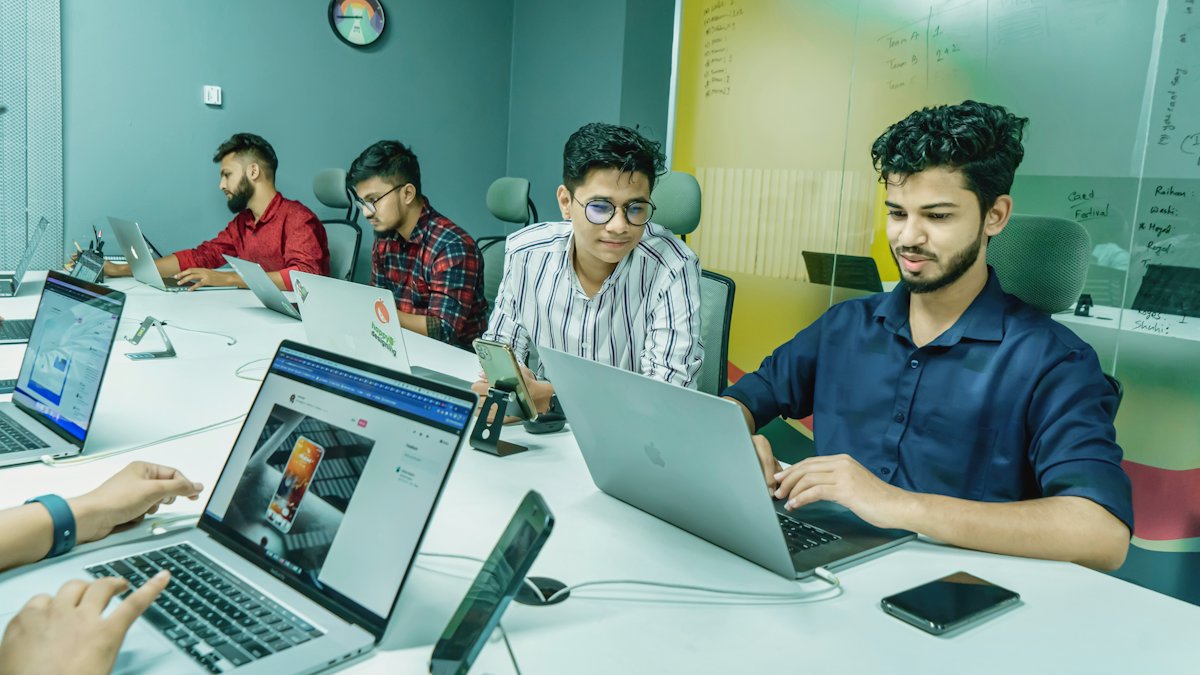
Solutions
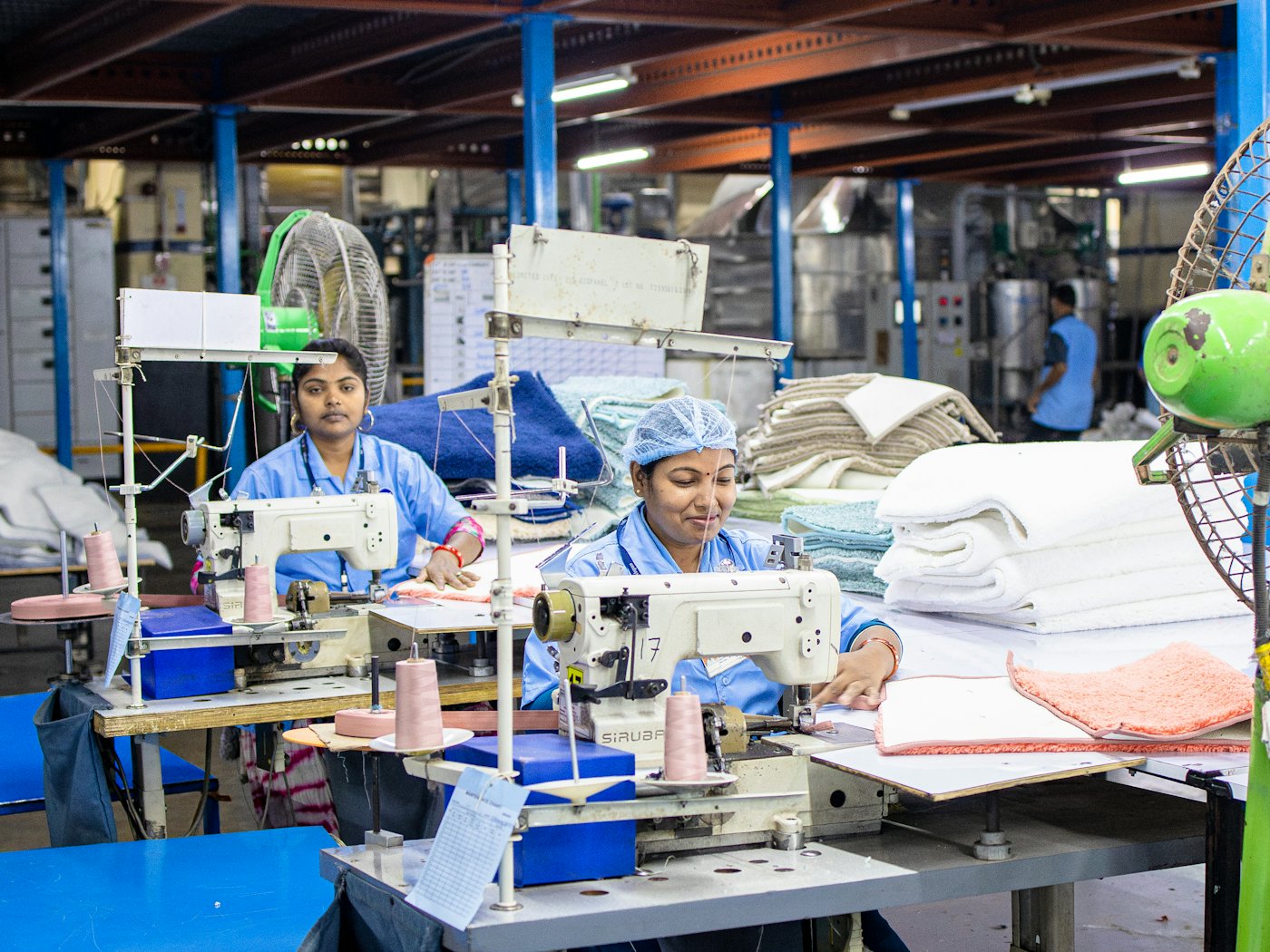
Practical digital tools built where our research shows a simple product can genuinely help, starting with visibility for small and medium factories.
Learn more about Solutions
Why now
Bangladesh's textile industry is entering one of the most important periods in its history. Several major changes are converging at once, and the information needed to prepare for them is not reaching everyone equally.
- Bangladesh graduates from Least Developed Country status in November 2026, which changes the trade benefits the industry has relied on for decades.
- New environmental and carbon regulations from major markets like the EU are beginning to reshape how textile products are made and priced.
- A serious energy supply challenge is directly affecting factory production.
- Competition from other textile-producing nations is intensifying.
An industry this size, in three figures
- 8 million+
- people work in Bangladesh's garment and textile sector
- 81%
- of the country's export earnings come from textiles and garments
- 2nd
- largest garment exporter in the world, after China
Get involved
Fabric Voice is built by a growing team of students and young professionals who believe Bangladesh's textile industry deserves a stronger, clearer voice. We welcome interns and volunteers across content writing, design, video editing, research, social media and technology.